Draw the Lines Between Ideas

Step into a practical, inspiring exploration of Visual Knowledge Mapping: Building and Navigating Concept Graphs. We will connect scattered notes into meaningful structures, reveal hidden dependencies, and practice journeying from high-level constellations to crisp, actionable paths. Expect clear methods, candid stories, and hands-on prompts you can try today, plus invitations to share your insights and build together.

From Scribbles to Structures

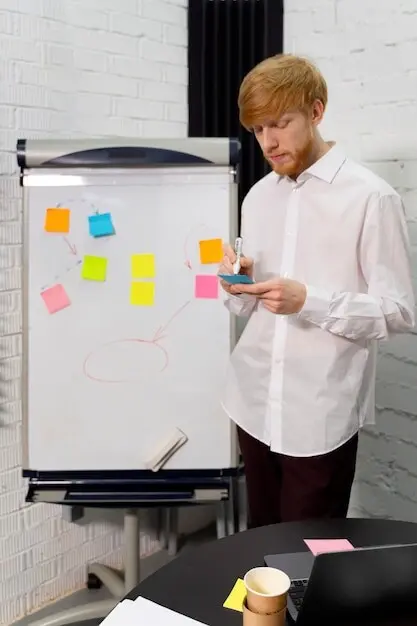
Great graphs often begin as half-formed sketches, sticky notes, and hallway conversations. Here we transform raw fragments into stable, evolving structures that clarify intent and context. You will learn to balance discovery and rigor, keep curiosity alive, and prevent premature closure while still producing repeatable, trustworthy representations that accelerate learning and align teams across disciplines.

Designing Nodes, Edges, and Meaning

A concept graph is only as helpful as its semantics. Careful modeling turns pictures into knowledge you can reason about. Define node types, edge labels, properties, and constraints so your visuals remain expressive without collapsing into ambiguity. You will see how gentle standards invite contribution, protect clarity, and enable richer questions, analysis, and decision support over time.

Building Workflows That Scale

Sustainable mapping depends on repeatable workflows. Capture ideas quickly, normalize them calmly, and review changes on a dependable cadence. Use checklists for imports, templates for new nodes, and lightweight proposals for edits. With a stable pipeline, momentum survives busy weeks, contributors stay aligned, and you can onboard newcomers smoothly without sacrificing fidelity or the delightful spark of discovery.

Navigation That Sparks Insight

A great graph guides you from horizon to heartbeat, then back again. Learn navigation patterns that invite exploration without disorientation: overview maps, focus+context lenses, typed filters, saved paths, and semantic search. With gentle cues and responsive layouts, readers transition from curiosity to clarity, surfacing non-obvious connections that transform stalled projects into confident, evidence-backed next steps.
Begin with an aerial view that reveals clusters and hubs, then smoothly zoom until definitions, sources, and recent debates appear. Breadcrumbs, mini-maps, and hover previews protect orientation. This motion mirrors how experts think: scan broadly, then commit attention wisely. In practice, it reduces dead-ends, speeds onboarding, and encourages newcomers to ask sharper, better-contextualized questions that genuinely move work forward.
Turn questions into routes. Prebuild paths like “evidence leading to decision,” “risks blocking launch,” or “prerequisites before mastery.” Pair them with semantic filters and saved queries that expose exactly the edges that matter. These curated tours help executives, students, and peers converge faster, reducing meeting thrash and focusing dialogue on tradeoffs, assumptions, and crisp, testable claims ready for action.

Real-World Cases and Lessons

Abstract technique becomes credible through grounded stories. Explore concise case studies where mapping surfaced blind spots, accelerated onboarding, or resolved semantic disagreements. These experiences highlight humane practices: listening before modeling, validating assumptions with stakeholders, and celebrating small wins that compound. Borrow these patterns, adapt them to your context, and share back what you learned so everyone benefits together.

A Product Team Finds Alignment

A product trio mapped customer pains, opportunities, and dependencies across services. Visualizing cause-and-effect revealed two initiatives competing for the same internal API. Rather than escalate, they sequenced efforts, unblocked delivery, and created a shared glossary. Within weeks, standups shortened, roadmaps clarified, and onboarding improved because newcomers could trace tradeoffs directly to evidence rather than hallway mythology or fragmented notes.

A Researcher Avoids Redundancy

While surveying literature, a researcher graphed methods, datasets, and claims. A cluster of similar techniques emerged with subtle parameter differences. Recognizing the overlap early prevented months of duplicate experiments and redirected effort toward a genuinely novel angle. Citing the graph in progress reviews built confidence, invited targeted peer critique, and ultimately strengthened the published paper’s clarity, originality, and reproducibility.

Teaching Accelerated by Context

An instructor introduced a course map linking prerequisites, core ideas, misconceptions, and practice tasks. Students navigated from misconceptions to corrective explanations within seconds, and tutors referenced the same structure during office hours. Performance improved, but more importantly, anxiety dropped, because learners could see exactly where they were, what mattered next, and how concepts cohered into a meaningful, navigable whole.

Useful Signals, Not Vanity Counts

Raw node totals rarely indicate understanding. Instead, track how quickly readers answer common questions, how many decisions reference mapped evidence, and which areas suffer repeated confusion. These signals reveal opportunities for clarification, consolidation, or deeper sourcing. When metrics guide conversation rather than punishment, contributors stay motivated, and quality steadily rises without sacrificing the playful curiosity that fuels discovery.

Gardening Rituals That Keep It Alive

Schedule brief, recurring sessions to review high-traffic nodes, retire stale edges, and refresh sources. Rotate stewardship so knowledge is not siloed. Keep a visible changelog celebrating fixes and insights, rewarding contributors who simplify without erasing nuance. This cadence normalizes improvement, prevents brittle structures, and makes participation welcoming, because everyone understands expectations and sees their work meaningfully recognized.

Automations with a Human Hand

Use scripts and integrations to flag broken links, detect duplicate labels, suggest related nodes, and capture citations from papers or tickets. However, keep humans finalizing semantics and intent. This collaboration preserves accuracy while multiplying capacity, transforming maintenance from drudgery into a thoughtful partnership where tools surface candidates and curators decide meaning, context, and the next best structural move.

Pirapentopalodari
Privacy Overview

This website uses cookies so that we can provide you with the best user experience possible. Cookie information is stored in your browser and performs functions such as recognising you when you return to our website and helping our team to understand which sections of the website you find most interesting and useful.